
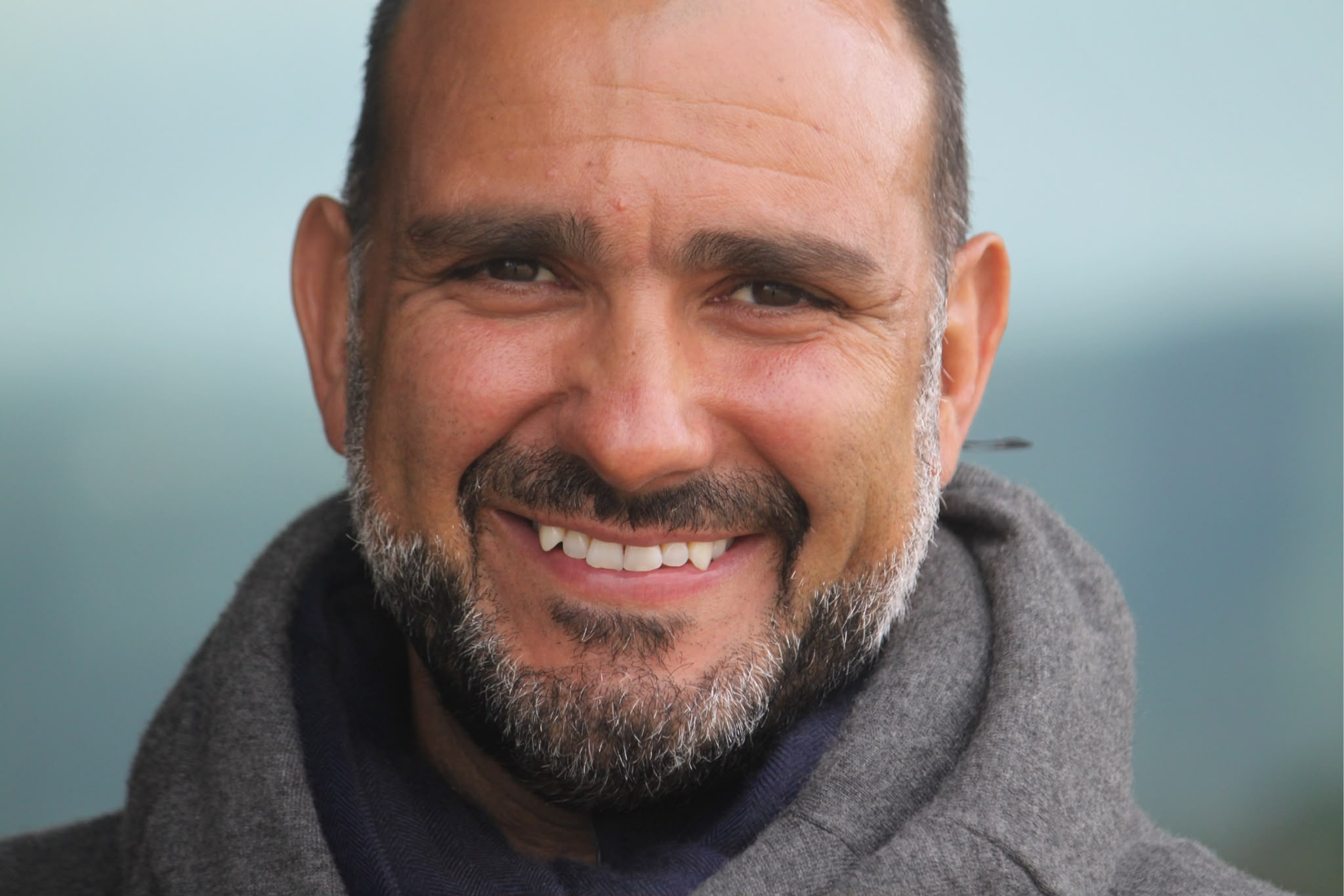
Miguel Guedes de Sousa
Founder of JNcQUOI · Amorim Luxury
Miguel Guedes de Sousa is the founder of JNcQUOI, a Portuguese brand bringing together restaurants, private clubs and hospitality in Lisbon and Comporta. Created with Paula Amorim within Amorim Luxury, the group behind fashion retailer Fashion Clinic, JNcQUOI combines dining, design and fashion in distinctive settings. Miguel’s approach draws on more than a decade at Aman, where he ran resorts in Morocco and the Philippines. In this conversation, he reflects on the experiences that shaped his taste, the feeling he wants guests to leave with, and how his understanding of luxury has changed.
What is a moment from your years at Aman that still shapes the way you welcome people today?
My years at Aman taught me that true hospitality is almost invisible. The best service is the service you never have to ask for.
I remember a guest who once mentioned, almost in passing, that he missed a particular dish from his childhood. The next evening, without a word, it was on his table. He never asked how we knew. That silence that complete absence of effort on his part was the point. We knew who was arriving, what they liked, what they disliked, and often what they needed before they knew it themselves.
Adrian Zecha taught me that extraordinary hospitality is not about showing people how much you are doing for them. It is about making everything feel completely natural.
That lesson still shapes how I welcome people today: anticipate, don't wait to be asked.
When you first imagined JNcQUOI, what did you want people to feel when they walked through the door?
I wanted them to feel that they belonged.
The idea was to create something extraordinary for the city, but also something people could somehow feel was theirs. A place they were proud to have in their city, proud to bring their friends to, and where they felt recognized, understood and at home.
I never wanted JNcQUOI to feel like just another restaurant, club or beautiful space. I wanted it to become part of people’s lives and part of the city itself a place they could return to again and again and always feel, this is my place.
That is still the idea behind JNcQUOI today: Eat. Drink. Shop. Live. Belong.
Who or what has had the greatest influence on your taste?
My taste comes from many places rather than one person.
The earliest influence was my mother. She was a woman of the arts she loved fashion, she loved interior design and our house was featured in the decoration magazines for as long as I can remember. I grew up inside her taste before I ever developed my own.
Then came my years travelling the world with Aman, and Adrian Zecha himself: his sense of style, his respect for local culture, his belief that a space should live in harmony with its place clean lines, nothing superfluous. That way of seeing is unique, and it marked me deeply.
Architecture, fashion, food, hotels, and above all the people I have met along the way all of it has shaped what JNcQUOI looks and feels like today.
Taste, in the end, is just everything you have loved, remembered.
What’s a moment in your career when trusting your instincts made all the difference?
Creating JNcQUOI against what the spreadsheet said.
I had noticed something travelling the world: people queue for hours outside Chanel, Louis Vuitton, Hermès. Not because they need another bag, but because they want to belong to a world. The transaction is just the ticket in.
So my wife and I made a collage on our wall one place where you could eat, drink, shop, live, and belong. Restaurants, fashion, culture, a private club, eventually residences. It was not the obvious business model. Everyone advised me to pick one thing and do it well.
But my instinct said people didn't want one thing. They wanted connection. I trusted that instinct and almost everything we are building today still comes from that collage.
You spend much of your life creating experiences for others. What does a day well spent look like for you personally?
Very simple: waking up somewhere beautiful, preferably by the sea. Time with my family. Some sport. A long lunch around a table with people I love good food, good conversation, nowhere else to be. A cigar afterwards, and no unnecessary agenda.
I spend my professional life thinking about complexity. Personally, I increasingly value simplicity.
A great day should feel like Saturday.
How has your definition of luxury changed over the years?
Completely. In my twenties I crossed the world with a backpack, and luxury, to me, meant objects exceptional things that few could afford.
Decades later, the irony is not lost on me: today's wealthy client wants precisely what that backpacker had. Time. Freedom. Authentic experience. The company of people he loves. We spent years learning to sell objects, only to discover that the objects were never the point.
So my definition inverted: luxury used to be what you own; today it is what you're part of.
The new luxury is belonging. Luxury is not what is on the table it is who is around it.
What is your motto for life?
People collect mottos. I have only one: live fully, regret nothing.
If you manage that, one life is not short. One life is enough.